Montgomery County Public Schools spends nearly $30,000 per student on special education but just $1,400 per student on programs that address the effects of poverty on achievement, according to a new county report that concludes the district's budgeting practices privilege white students and disproportionately harm Black and Latino students.
MCPS rejected those findings in a letter to the County Council on Friday, calling the conclusions "unacceptable and irresponsible."
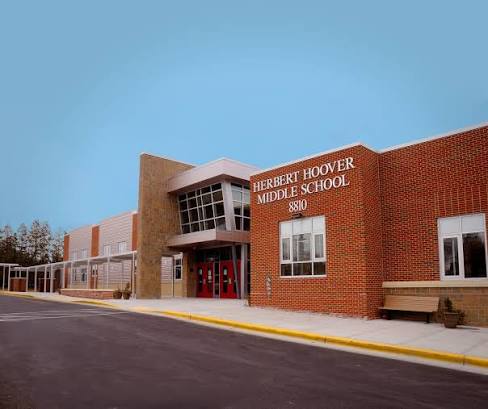
Three Potomac-area elementary schools enroll white students at more than double the MCPS district average of 23%: Bells Mill at 43.9%, Carderock Springs at 56.4% and Bradley Hills at 62.1%, according to MCPS's official September 2025 enrollment data. The report recommends the Council redirect funding toward compensatory education and programs for emergent multilingual learners (EML), categories that primarily serve Black and Latino students.
What the report found
The Office of Legislative Oversight released Report 2026-9, "Budget Equity in Montgomery County Public Schools," on Tuesday, July 14. OLO staffers Elaine Bonner-Tompkins, Ph.D., and Janmarie Peña authored the study, which the Council commissioned to ensure "every dollar is put to the best use to serve the greatest needs in our schools."
The report listed 15 key findings. Among them:
- MCPS budgeted $30,000 per student for special education in fiscal year 2026, compared with $4,000 for EML programs and $1,400 for compensatory education.
- Black and Latino students account for most students receiving free and reduced-price meals (FARMS) services and EML services. White students with service needs are primarily served in special education and gifted and talented programs.
- Race and ethnicity are often stronger predictors of student performance than eligibility for special education or FARMS, especially for Black and Latino students.
- Schools with the highest FARMS and BIPOC enrollments have greater shares of inexperienced and emergency-credentialed teachers.
- MCPS allocates most state compensatory education revenue to non-compensatory education programs.
- OLO concluded the FY27 operating budget will widen existing budgeting and staffing inequities.
The report also found that students eligible for FARMS grew 14% since 2020, while overall MCPS enrollment declined 4% over the same period.
OLO recommended the Council require MCPS to relaunch its program budget to track spending by service group, direct all state compensatory education revenue to compensatory education programs, and earmark any funding requests above Maintenance of Effort for compensatory education or EML programs. The report also called on MCPS to partner with Black and Latino families to co-develop a budget equity plan.
MCPS pushes back
In its Friday letter to the Council, the district argued the report presented no findings unique to Montgomery County: "At no point in this report was any unique finding presented that was different than any other school system in America, yet all findings were presented as attributed solely to MCPS and without context to broader issues with public education in the United States."
MCPS called the report's comparison of special education funding to other programs "a fundamental misunderstanding of special education," noting the district must meet federal legal requirements even without full federal funding. The district said the findings about privileging white students were "inflammatory accusations that are not substantiated with true evidence" and categorically rejected those conclusions.
What's next
The County Council is in summer recess, and no meeting date has been scheduled to take up the report's recommendations. The next Board of Education regular business meeting is Thursday, August 20, at 4 p.m. No Council members have publicly commented on the report. The full OLO report is available on the Montgomery County government website.