Potomac-area residents will see new speed cameras, grocery pricing rules and renter protections when hundreds of Maryland laws take effect Thursday, Oct. 1.
Several carry direct consequences for people shopping for groceries, driving local corridors and renting apartments across Montgomery County and the state.
Grocery prices locked in
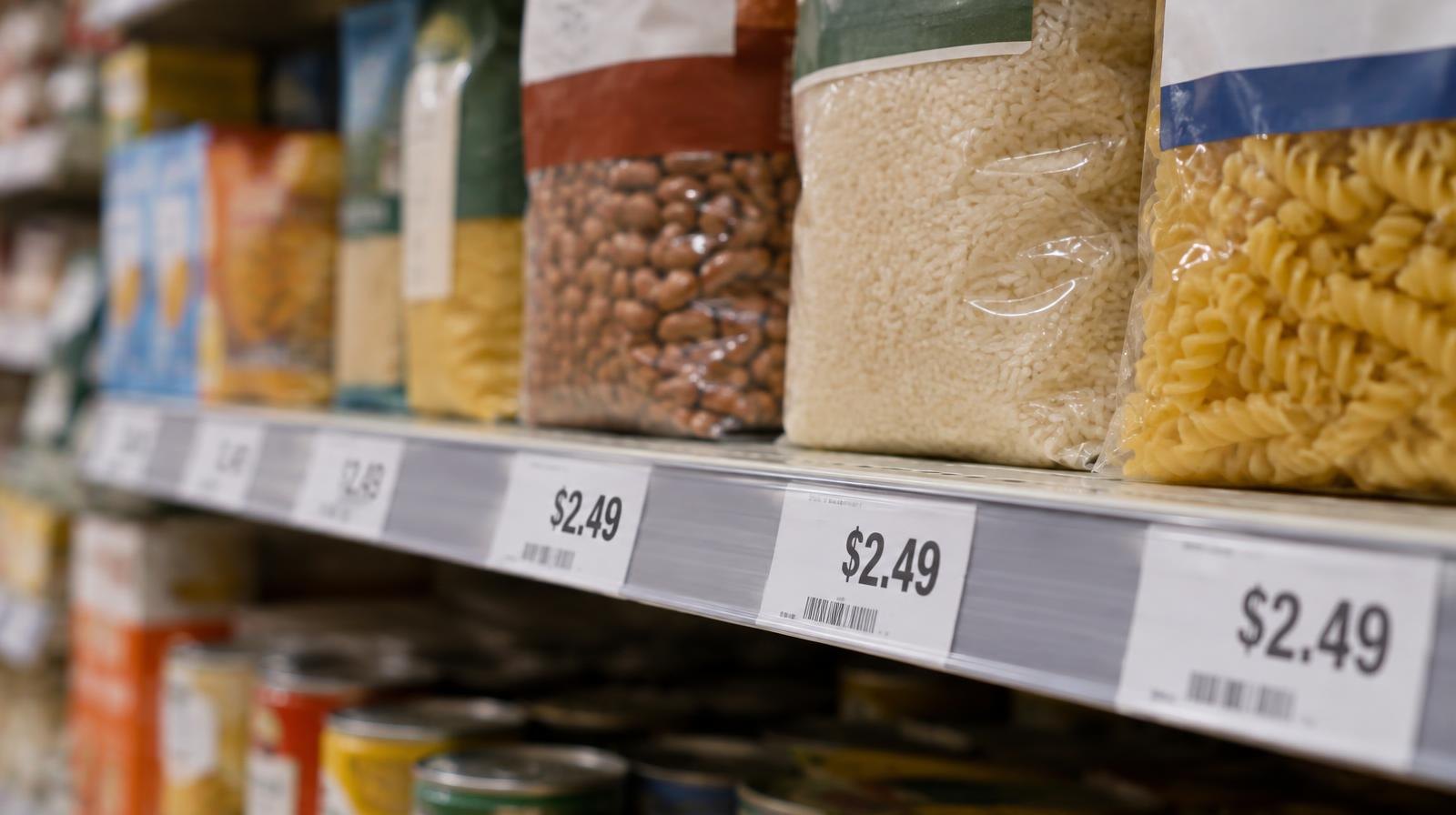
Maryland becomes the first state to ban personalized grocery pricing under the Protection From Predatory Pricing Act (HB 895), signed by Gov. Wes Moore in April. The law prohibits food retailers with stores of at least 15,000 square feet and third-party delivery services from using dynamic pricing or a shopper's data to set higher prices, The Baltimore Banner reported.
Loyalty programs, promotional offers and location-based price differences remain allowed, according to PYMNTS.
The Maryland Attorney General's Consumer Protection Division can begin enforcement Oct. 1. Penalties reach $10,000 per violation and $25,000 for repeat offenders, Forkast reported.
"People deserve to know that the price that they pay is not different from a customer that walks in right after them," Moore said at the April 28 bill-signing ceremony, according to The Daily Record.
Senate Minority Leader Stephen S. Hershey Jr. said in an April 28 statement that there was no evidence Maryland grocery stores were engaging in the practice and that "families shouldn't expect to see any difference at the checkout line."
Speed cameras on high-risk roads
The Vulnerable Road User Protection Act (SB 487) authorizes the State Highway Administration to place speed cameras in corridors deemed high-risk for pedestrians and cyclists, according to Maryland General Assembly records. Fines range from $40 to $425 based on how far over the limit a driver is going.
The Maryland Chiefs of Police Association and the Maryland Sheriffs' Association supported the bill. No Potomac-area camera locations have been announced.
Cash payments required for essentials
Businesses can no longer refuse cash for essential goods under $300 between 6 a.m. and 10 p.m. Essential goods include food, beverages, personal hygiene products, health products and gas. Merchants get two chances to comply before the Attorney General's office can issue a $500 fine per violation, rising to $1,000 for subsequent offenses.
Law enforcement must show ID
A new law (SB 1) bars law enforcement officers working in Maryland, including federal immigration agents, from wearing face coverings while on duty. The Maryland Police Training and Standards Commission must develop a policy requiring officers to display their agency, last name and badge number. Officers who violate the rule face fines up to $1,500.
Housing protections expand
The Maryland Fair Chance Housing Act (SB 937) requires landlords who own or manage five or more units to make a conditional housing offer before checking an applicant's criminal history, according to the Maryland Department of Housing and Community Development. Landlords must explain any decision to withdraw an offer. Drug or alcohol testing of prospective tenants is banned, with penalties up to $500 per violation.
A separate law (SB 335/HB 315) prohibits landlords from refusing tenants with housing subsidies based on income, credit score or adverse credit history that predates the subsidy. That law also requires landlords to offer tenants the option of reporting positive rental payments to credit agencies, for a fee of no more than $10 per month.
Other notable changes
Temporary protective orders for domestic abuse victims now last up to 14 days, doubled from seven. Courts can also order respondents to cover medical costs, relocation expenses and attorney fees.
Maximum fines for repeat stalking offenses double to $10,000, and the maximum prison sentence rises from five to 10 years.
Under the PACE Act, Maryland becomes the third state, after California and Louisiana, to restrict prosecutors from using rap lyrics as trial evidence unless the prosecution proves the lyrics were meant to be literal and closely related to the alleged crime.
Residents with complaints about grocery pricing or cash-payment violations can contact the Attorney General's Consumer Protection Division, which begins enforcement Thursday.