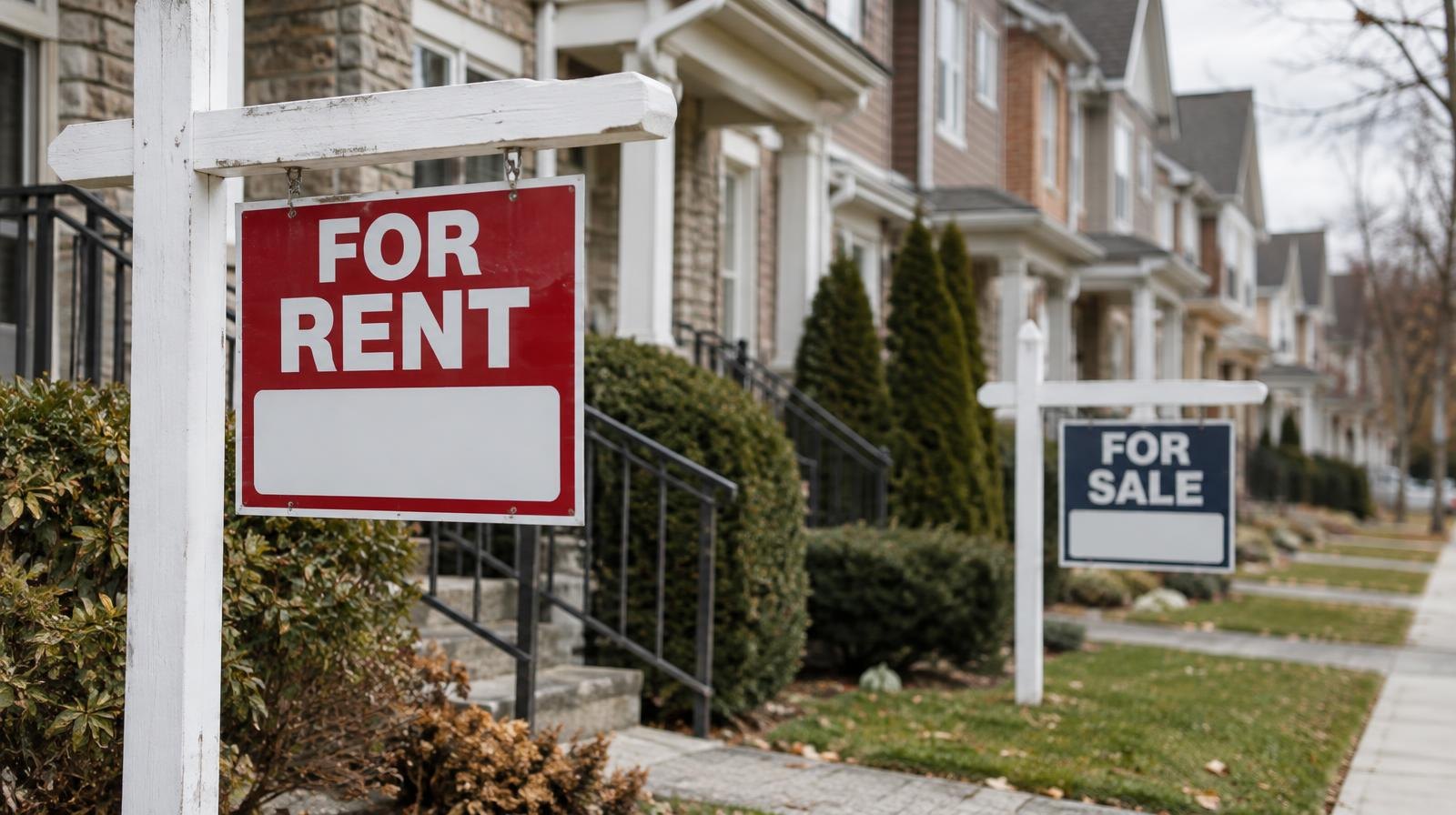
High housing costs account for roughly one-fifth of Maryland's poverty, a new Pew Charitable Trusts study found. The finding puts fresh pressure on Potomac-area and statewide lawmakers to loosen zoning and permitting rules that limit new construction.
The report, released Tuesday, Sept. 29, determined that 21% of Maryland's poverty is driven by above-average housing costs. Maryland ranked seventh nationally among 10 states and the District of Columbia where housing costs contribute the most to poverty. Hawaii topped the list at 34%.
The data is especially relevant in Potomac and Montgomery County, where home values and rents far exceed state averages and the county is updating its Potomac Subregion Master Plan. That plan will shape where and what kind of housing gets built in the area for years to come.
Alex Horowitz, project director on housing policy at Pew, said Maryland's median rent tops $1,800, compared with a national median just under $1,400. That gap, he said, is what pushes families below the poverty line.
"Not only does adding housing reduce rents, it reduces poverty as well because people have more wiggle room in their household budgets, and their limited incomes aren't as strained," Horowitz said.
The report, based on research by Oxford University professor Zachary Parolin using 2023 housing cost data, also found that 17% of Maryland's child poverty stems from high housing costs. If the state could cut inflation-adjusted rents by 20%, overall poverty could drop by 24%, according to the Pew analysis as reported by Maryland Matters.
Pew pointed to Austin, Texas, and Minneapolis as models. Both cities updated their zoning codes and permitting processes, and renters there now save more than $4,000 a year compared with what they would have paid if rents had risen at the national average rate.
The report estimates Maryland is short nearly 100,000 housing units. Nationally, the shortage ranges from 4 million to 7 million homes.
Maryland's inventory is shrinking. Active listings fell 16.4% from May 2025 to May 2026, dropping to 15,395 homes, and the average sale price climbed 4.7% to $547,405, according to Maryland Realtors data reported by WTOP in June.
Gov. Wes Moore has made cutting permitting red tape a priority. The General Assembly approved two of his housing bills in 2026: the Housing Certainty Act, which grants developers vesting rights and delays certain fees, and a law restricting parking minimums near transit to encourage denser development. A third bill, the Silver and Starter Homes Act, stalled after county officials argued it overstepped local zoning authority.
Maryland Housing Secretary Jake Day made a similar point two weeks before the Pew report's release, in testimony before the House Economic Matters Committee on Sept. 16. Day listed land, construction, financing, taxes and regulatory costs as drivers, calling "… the time and uncertainty imposed on a project before a shovel ever hits the ground" the most significant factor, according to Maryland Matters.
Montgomery County's own rent stabilization policy adds another layer. Developers have said it discourages new projects, while renter advocates warn that rolling back regulations could weaken tenant protections.
Horowitz urged Maryland lawmakers heading into the 2027 legislative session to push bills allowing office-to-residential conversions, smaller starter homes on smaller lots and the removal of limits on how many non-relatives can share a residential unit.
No Montgomery County Council member or Planning Board member has publicly responded to the Pew report. The 2027 General Assembly session is the next scheduled opportunity for legislative action on the report's recommendations.