Gabi Knight just wanted to play soccer with the girls this fall. Instead, the 11-year-old learned her local recreational league had already told her no.
Gabi, who is transgender, has played on boys' soccer teams for seven years. Her parents, Nicholas and Daniella Knight, decided this was the year to register her for the girls' team. Then came an email from the league, which Maryland Matters did not name in its reporting: Gabi cannot play on the girls' team because she was not born female.
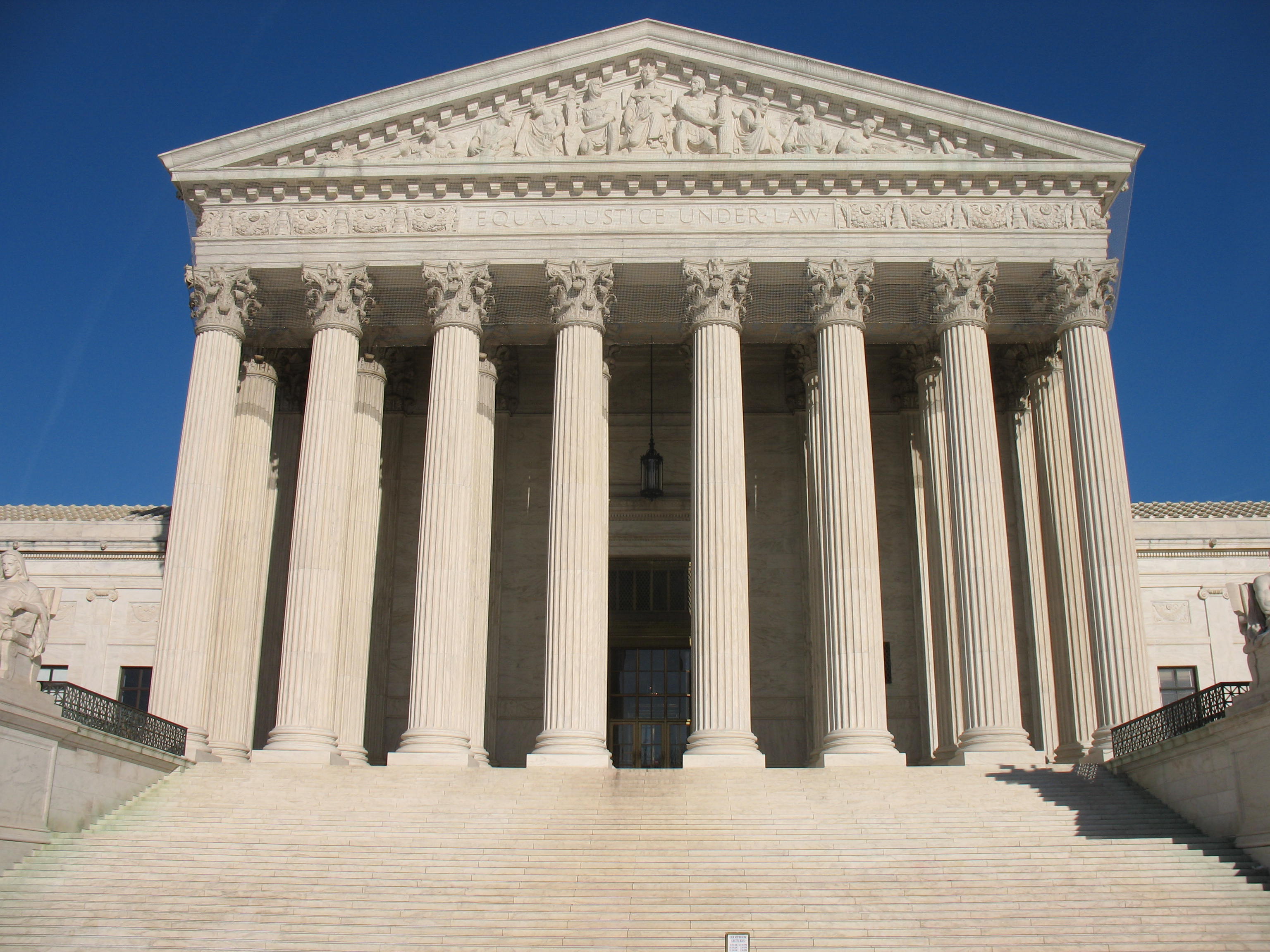
One week later, on June 30, the U.S. Supreme Court issued a 6-3 decision in West Virginia v. B.P.J. upholding state laws that bar transgender girls from female sports teams in publicly funded schools. Justice Brett Kavanaugh wrote for the majority that states can limit participation based on biological sex. Justice Sonia Sotomayor dissented, joined by Justices Elena Kagan and Ketanji Brown Jackson.
The ruling allows states to pass such bans but does not require them. Maryland has no such ban. The state is among at least 23 that allow transgender students to compete on teams matching their gender identity. Twenty-seven states have laws restricting participation.
The Knight family's experience shows the debate extends beyond public schools and court decisions. Their league is a private recreational organization that adopted its policy before the ruling was issued and is not legally bound by it.
"She was excited about the possibility of how this was going to be," Daniella Knight told Maryland Matters. "But now she's thinking 'Do I even want to continue to play if they tell us that I have to play with the boys?'"
The decision prompted immediate legislative responses in Annapolis. Del. Kathy Szeliga, R-Baltimore County, and state Sen. Mary Beth Carozza, R-Lower Shore, vowed on Tuesday to reintroduce the Fairness in Girls' Sports Act during the 2027 legislative session. Szeliga's 2026 version (HB 0063) did not receive a committee vote. The bill would bar transgender girls from intramural, junior varsity and varsity teams.
Del. Kris Fair, D-Frederick, chair of the Maryland Legislative LGBTQ+ Caucus, said he expects the General Assembly to reject those efforts again and plans to introduce legislation strengthening protections for transgender people.
Maryland Attorney General Anthony Brown condemned the ruling and noted that Maryland has not adopted a ban on transgender youth in athletics.
Closer to home, the U.S. Department of Education's Office for Civil Rights launched a Title IX investigation in late June into the Maryland State Department of Education and three local districts, including Montgomery County Public Schools, over policies allowing transgender students to use bathrooms and play on sports teams consistent with their gender identities.
The Williams Institute at UCLA estimates roughly 12,900 transgender people ages 13 to 17 live in Maryland. For the Knight family, the wait continues.