Using artificial intelligence to impersonate someone and cause harm is now a felony in Maryland, under a new law that took effect Oct. 1.
For Potomac-area businesses, the practical question is immediate: do current verification procedures hold up when a voice or face on a screen can be faked in real time? AI-generated voice cloning can make a caller sound like an executive authorizing a wire transfer or a client changing payment instructions, according to a legal analysis of the law.
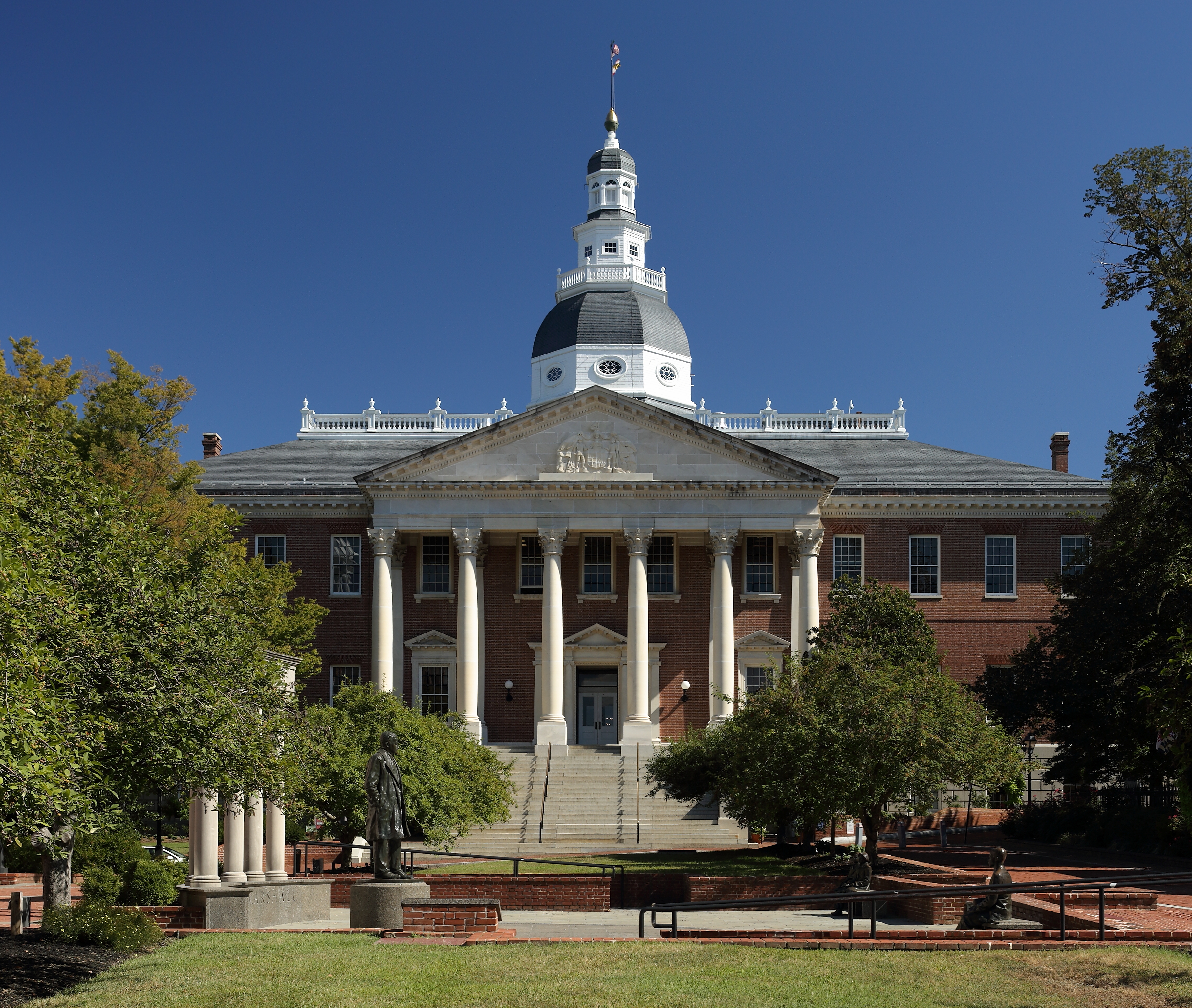
Gov. Wes Moore signed Senate Bill 8 on May 12, according to state legislative records. The measure, codified as Chapter 445 in Maryland's Criminal Law Article § 8-301, expands the state's existing identity fraud statute to cover AI-generated "deepfake representations" used to impersonate or falsely depict a person.
The law defines a deepfake representation as any photograph, video, audio recording or computer-generated image that an ordinary person would find indistinguishable from a real, identifiable human being. Drawings, cartoons and paintings are excluded.
A single-victim violation carries up to five years in prison and a $10,000 fine. Cases involving multiple victims raise the maximum to 10 years and $15,000. No minimum dollar amount of harm is required for prosecution, according to a sponsored article in Bethesda Magazine by Stein Sperling attorney Joseph M. Moeller.
The penalties are steeper than many other identity-theft provisions in the same statute, which tie punishment to the dollar value of the fraud, Moeller wrote.
The law also creates a private right of action, meaning victims can file civil lawsuits rather than relying solely on prosecutors. Courts can issue injunctions to stop the spread of deepfake content. Stopping distribution may matter as much to a victim as recovering money, Moeller wrote.
One notable feature: the statute defines "harm" to include "serious emotional distress," not just financial loss or physical injury. Under existing Maryland law, emotional distress alone is often not enough to support a legal claim. The General Assembly's decision to include it signals that deepfake crimes can be prosecuted even when traditional measures of harm fall short, according to Moeller's analysis.
The law requires prosecutors to prove the defendant acted "knowingly, willfully and with fraudulent intent." It does not ban AI-generated images or audio simply because they depict another person.
The measure was inspired in part by a case at Pikesville High School, where a former athletic director used deepfake technology to impersonate the principal, The Baltimore Banner reported in a Sept. 22 article. SB 8 passed with bipartisan support. Sen. Katie Fry Hester, a Howard and Montgomery County Democrat, was among 13 Senate sponsors listed in the legislative record.
Moore has since proposed additional AI regulations for the state. "With the speed with which AI is moving, Marylanders deserve guardrails that safeguard their rights, privacy, and dignity," Moore said in a statement reported by The Baltimore Banner.